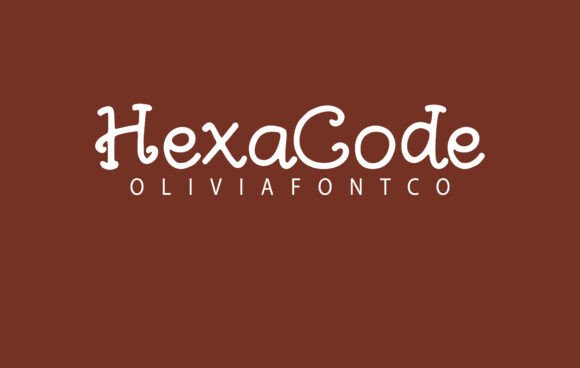
Hexacode Font: A Playful Serif for Digital Design
As a web designer, I’m always on the lookout for fonts that bring personality and clarity to digital spaces. Hexacode stands out as a unique rounded serif font with soft curves and a whimsical style. It’s not just another decorative typeface — it’s a versatile tool that can enhance brand tone, improve visual hierarchy, and add a friendly touch to everything from landing pages to online stores.
Visual Characteristics of Hexacode
Hexacode blends the elegance of traditional serif fonts with the modern appeal of rounded edges. The subtle serifs give it a refined look while the gentle curves make it feel approachable and playful. This balance is rare in digital typography and makes Hexacode especially appealing for brands that want to project warmth without sacrificing professionalism.
The font has a generous x-height and open apertures, which contribute to its excellent readability even at smaller sizes. Its character spacing is well-tuned for screens, ensuring that text remains legible across devices — an essential factor in today’s mobile-first design landscape.
Applications in Web Design
Hexacode shines in display settings where you want to capture attention quickly. Use it for hero sections, call-to-action buttons, or section headings on product landing pages. Its whimsical nature works well for creative portfolios, boutique e-commerce sites, or any platform targeting a younger or more artistic audience.
- Hero Titles: The font’s bold weights and expressive characters make it ideal for headlines that need to stand out.
- Section Headings: When used in lighter weights, Hexacode maintains visual interest without overwhelming body copy.
- Buttons & Short Phrases: Rounded serifs help reduce visual tension, making it great for interactive elements like CTA buttons or navigation labels.
- Logo Text: If your brand needs a handcrafted yet polished logo, Hexacode can deliver a memorable typographic signature.
- Decorative Accents: Consider using it sparingly for subheadings, pull quotes, or branding elements to maintain rhythm and contrast.
Branding and Brand Identity
Fonts are more than just tools for displaying text; they’re integral to building a brand’s identity. Hexacode helps establish a brand voice that feels welcoming and imaginative. Whether you're designing a coaching website, a course sales page, or a blog header, this font adds a layer of charm that aligns well with creative and lifestyle-focused businesses.
For instance, on a boutique online store selling handmade goods, Hexacode can reflect the artisanal quality of the products through its crafted appearance. On the other hand, a tech startup might use it for playful taglines or community-driven content areas, striking a balance between innovation and accessibility.
Readability and Scanning Behavior
While Hexacode is primarily a display font, its thoughtful construction allows it to be surprisingly readable in short bursts. This is important when considering how users scan content on websites. For longer paragraphs, stick to a clean sans serif font and reserve Hexacode for headers or accents.
On mobile screens, keep line lengths short and avoid overly small font sizes. The rounded forms may soften slightly at lower resolutions, so testing is key. When placing Hexacode over images, ensure sufficient contrast by using darker weights or overlaying a semi-transparent background.
It also performs well against both light and dark backgrounds. Just be mindful of color choices — pastel tones might mute its character, while bold colors can enhance its playful edge. Always test it in context to see how it affects user engagement and layout flow.
Font Pairing Strategies
One of the most important aspects of typography is pairing. To complement Hexacode, consider using a minimalist sans serif font like Inter or Roboto for body text. This creates a natural contrast between expressive display text and clean, functional reading copy.
If you're aiming for a more editorial or sophisticated tone, pair it with a classic serif such as Georgia or Merriweather. These combinations work well for blogs or newsletters where storytelling meets brand personality.
Avoid matching Hexacode with other script or handwritten fonts unless you're going for a specific layered aesthetic. In most cases, one decorative font is enough to anchor a design system and prevent visual clutter.
Commercial Licensing and Practical Usage
When using Hexacode for client projects or commercial websites, verify that the licensing agreement includes webfont formats and covers all intended uses. Most premium font providers offer licenses that extend to online stores, landing pages, and digital templates — but always double-check before deployment.
Ensure the font files include multiple weights and styles to support different design scenarios. Alternates and ligatures can add extra flair, especially in logos or promotional banners. Multilingual support is also crucial if your site caters to international audiences.
Real-World Examples
Let’s imagine a few practical applications:
- Creative Portfolio Site: Use Hexacode in the main heading and section titles to create a warm, inviting atmosphere. Keep the rest of the layout simple with a neutral sans serif for body text.
- Boutique Online Store: Apply Hexacode to category headers and product tags to reflect craftsmanship and creativity. Use it in promotional banners to highlight seasonal offers or new arrivals.
- Coaching Website: Integrate Hexacode into service titles or testimonials to add a human touch. Pair it with a structured sans serif for pricing tables or contact forms.
- Course Sales Page: Make use of its expressive qualities in title cards or feature highlights. Reserve it for impactful phrases rather than lengthy descriptions to maintain focus.
Building a Consistent Brand Experience
In brand-focused web experiences, consistency is key. Hexacode can serve as the foundation for a cohesive design language across your digital assets — from social media graphics to email templates and app interfaces. By applying it consistently in headers and branded elements, you reinforce your visual identity and make your brand instantly recognizable.
For SaaS founders or bloggers, this font can help differentiate their platforms in a competitive market. It’s particularly effective for educational or community-based content where trust and relatability are paramount. Think of it as a bridge between formality and friendliness — a must-have in modern digital design.
Its ability to adapt to various contexts means you won’t have to compromise between aesthetics and functionality. Whether you're designing for a children's book launch or a high-converting landing page, Hexacode brings a level of creativity that enhances user experience without distracting from core messaging.
Optimizing for Responsive Layouts
In responsive web design, Hexacode needs careful handling to maintain its visual impact across screen sizes. For larger desktop views, let it breathe with generous leading and padding. On tablets, adjust tracking slightly to keep it from feeling cramped. And on mobile, simplify the layout — perhaps switching to a bolder weight or reducing the number of decorative elements.
Use relative units (like em or rem) to scale the font dynamically. Avoid fixed pixel sizes that might break the design on unexpected viewport dimensions. Also, remember to optimize performance by using WOFF2 or variable fonts where available.
Creating Conversion-Focused Typography
High-conversion layouts rely on clear communication and emotional resonance. Hexacode can be a powerful asset in these environments by guiding the user’s eye toward key actions. Try using it for headline CTAs like “Start Your Free Trial” or “Join the Community.” The playful yet professional vibe encourages interaction without being over the top.
Pairing it with contrasting colors and ample white space ensures that the message doesn’t get lost. For example, a bright orange Hexacode button set against a white background will draw attention naturally, helping users find what they need faster and convert with confidence.
Design Assets and Beyond
Hexacode isn't limited to just websites. It can also be used in brand kits, packaging designs, and social media assets. Its soft curves and whimsical style translate well into print and digital materials alike, offering a unified brand tone across all touchpoints.
Consider using it in your Instagram stories or YouTube thumbnails for a consistent look that resonates with your audience. As part of a broader set of design assets, it becomes a cornerstone of your brand’s visual language — something that users begin to associate directly with your message and mission.
With proper integration, Hexacode supports a seamless transition between your website, marketing collateral, and app interfaces. That kind of consistency builds trust and recognition, which are vital for long-term brand success.
Final Touches and Best Practices
To maximize the potential of Hexacode, follow these best practices:
- Limit its use to 2–3 weights per page to maintain visual harmony.
- Always test it on actual devices to ensure it looks good on both retina and standard displays.
- Balance its whimsy with more straightforward fonts in supporting roles to avoid overwhelming users.
- Use it for short-form content like banners, buttons, and headlines where its style can shine.
- Make sure your color palette complements its organic feel — earthy tones or soft gradients often work well.
By thoughtfully integrating Hexacode into your design systems, you can elevate the tone of your digital projects while maintaining clarity and usability. It’s a font that speaks volumes without shouting — perfect for designers who value both function and fun in their craft.